“Et tu, Brute?” and the murder behind the words
The best-known version of Caesar’s last words is not found in any ancient account, and the ancient accounts that come closest are not in Latin. This guide sets out what the ancient writers actually report about the death of Julius Caesar, how Shakespeare’s play turned it into three words, and why the scene became the model of betrayal.
Three ancient accounts, and none of them says “Et tu”
Suetonius, Plutarch and Cassius Dio each tell the story of the murder at length. Each handles Caesar’s last moment differently, and each is careful to say when it is passing on a story rather than a fact.
-
Suetonius, Life of Julius Caesar 82
You too, my child?
Reported as something
some have written
. His own account is that Caesar died with a single groan. -
Plutarch, Life of Caesar 66
Accursed Casca, what does thou?
Caesar’s only recorded words are to the first attacker. In a version Plutarch credits to some writers, he covers his head on seeing Brutus.
-
Cassius Dio, Roman History 44.19
This is the truest account
Dio’s verdict on a silent death. The question to Brutus is something
some have added
.
Six readings, from the grammar of the line to Dante’s ice
Each reading stands on its own, but in order they move from the words, to the day, to the people, to the play, to the long afterlife of the scene. Every reading names the texts it uses and the date it was last checked against them.
-

What “Et tu, Brute?” means, and where the words come from
The grammar of the line, and the Greek words the ancient writers actually recorded.
-

The Ides of March, 44 BC, as the ancient writers tell it
Warnings, dreams, a delayed arrival and a meeting in the Hall of Pompey.
-

Caesar’s last words: a groan, a question in Greek, or silence
Three historians, three versions, and how each one signals its doubt.
-

Who Marcus Brutus was, and why his part in the plot stung
A pardoned enemy, a favoured friend, and a name with a history.
-
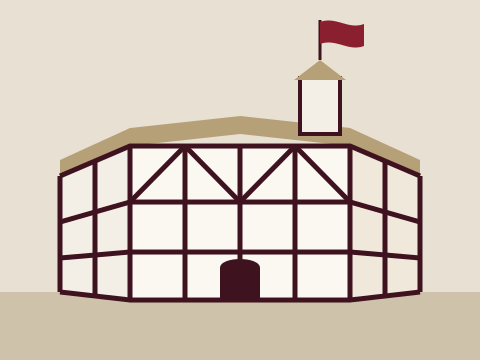
How Shakespeare’s Julius Caesar turned the murder into a line
Act 3, scene 1, the borrowed details and the invented ones.
-

Betrayal as a theme: from Dante’s frozen lake to Antony’s “unkindest cut”
Ingratitude, the ninth circle, and the argument over whether Brutus was a traitor at all.
No invented quotations
Famous lines gather confident stories. This guide takes the narrow path. It quotes the primary texts only from public-domain translations and editions, names the passage, and keeps the ancient writers’ own hedges: when Suetonius says some have written
, the guide says so too.
- Primary texts firstSuetonius, Plutarch and Cassius Dio in the Loeb translations reproduced on LacusCurtius, Shakespeare from the Folger edition and Project Gutenberg, Dante in Longfellow’s translation.
- Every quotation checkedEach quoted phrase is listed in the site’s source record and was matched word for word against the fetched text by an automated check.
- Story and fact kept apartWhere a writer reports a rumour, an omen or “what some say”, the guide reports it as exactly that.
Four accounts, one table
The side-by-side page lines up Suetonius, Plutarch, Dio and Shakespeare on the same questions: the warnings, the first blow, the number of wounds, the place Caesar fell and what, if anything, he said to Brutus.